Behind You! Why Good Rear Visibility Matters When Towing
When you’re hitching up a caravan and heading off, having a crystal-clear view of what’s happening behind you is essential. Not just for confidence—but for safety and legal compliance too. Over the years, towing mirrors have become one of the simplest yet most important pieces of kit you can invest in, especially as modern caravans continue to grow in width. Let’s break down the law, the options, and the practical tips that will help you stay safe and legal on the road.
Why Towing Mirrors Matter
Standard car mirrors simply weren’t designed to cope with the bulk of a caravan. Add in the growing popularity of 8ft-wide caravans, and your factory-fitted mirrors can leave you with huge blind spots. Towing mirrors extend your field of view so you can:
- Monitor traffic behind and alongside the caravan
- Reverse more confidently
- Avoid scrapes, bumps and avoidable incidents
- Check your caravan’s behaviour—particularly important in crosswinds or when overtaking HGVs
The Legal Requirements
Towing mirrors aren’t optional—they’re a legal requirement if your caravan is wider than the rear of your tow car. Here’s what the law states:
The 4m / 20m Rule
You must be able to see 4 metres on either side of the caravan at a distance of 20 metres behind the driver. Without extension mirrors, this is almost impossible with a modern caravan.
Projection Limits
Under Regulation 33(4)(c), your towing mirrors must not project more than 20cm beyond the overall width of your caravan.
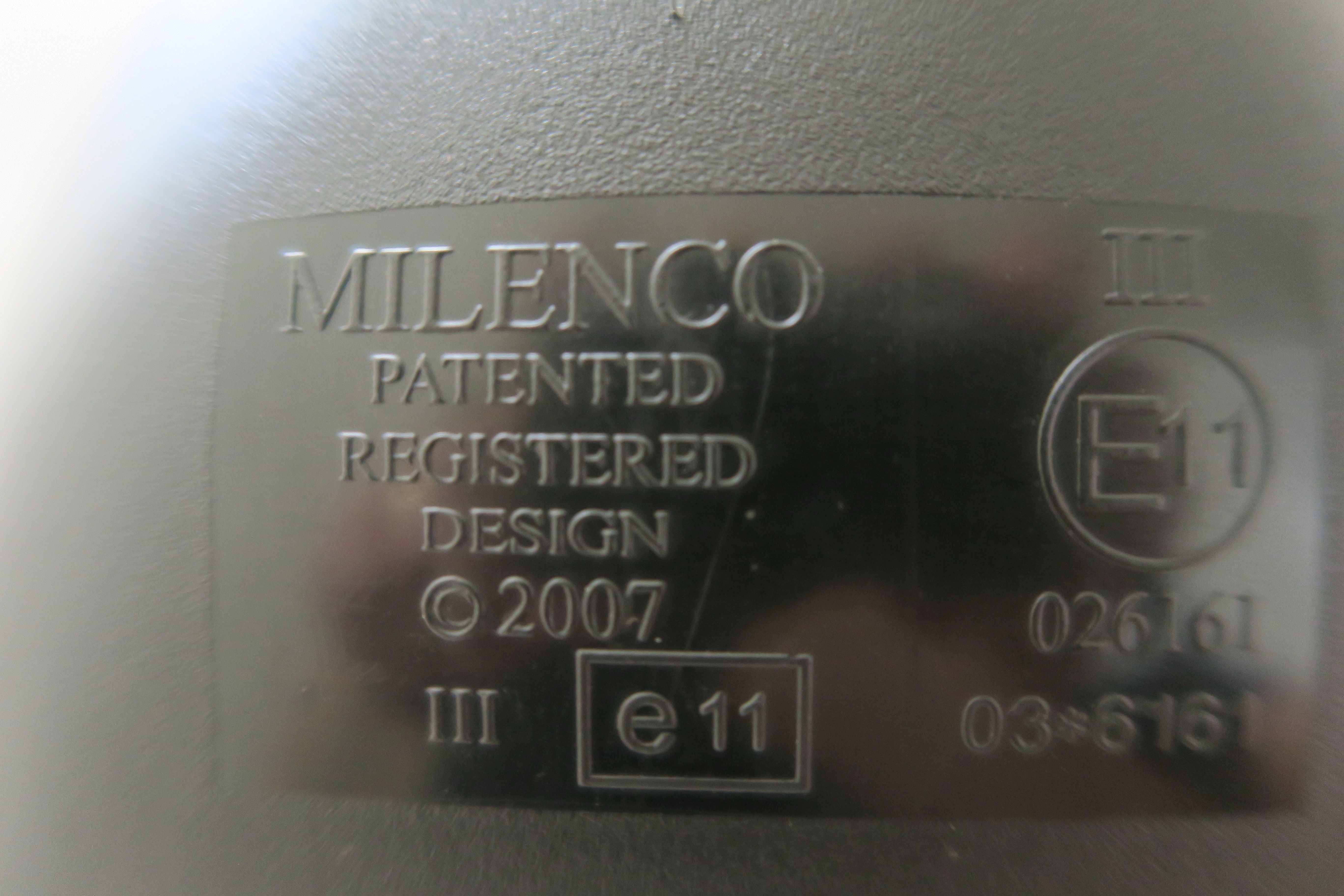
The ‘e-mark’
Since January 2010, towing mirrors must comply with EU directives (2003/97 or 2005/27). Look for:
- e (lowercase) = European Standards
- E (uppercase) = International Standards
If your mirrors don’t carry the mark, they’re not legal.
Penalties for Non-Compliance
Driving without compliant towing mirrors can result in:
- Up to £1,000 fine
- 3 penalty points
- Being stopped and potentially prevented from continuing your journey
Remove Them When You’re Unhitched
Once the caravan is unhitched, the extension mirrors must come off—they will protrude too far for solo motoring and become illegal.
Types of Towing Mirrors
There’s no single “best” mirror - it all depends on what suits your tow vehicle and your touring style.
Clamp-Style Mirrors - The most popular option. They offer excellent stability and grip directly onto your vehicle’s mirror housing. Top tip: Spread the clamps as far apart as possible to minimise vibration.
Strap Mirrors - Simple and quick to fit. A more traditional option, though not always as stable in crosswinds.
Suction Mirrors - Attach directly to the car’s mirror glass. Very easy to fit—but some caravanners worry they may lose suction over time. They also reduce the visibility in your car mirror.
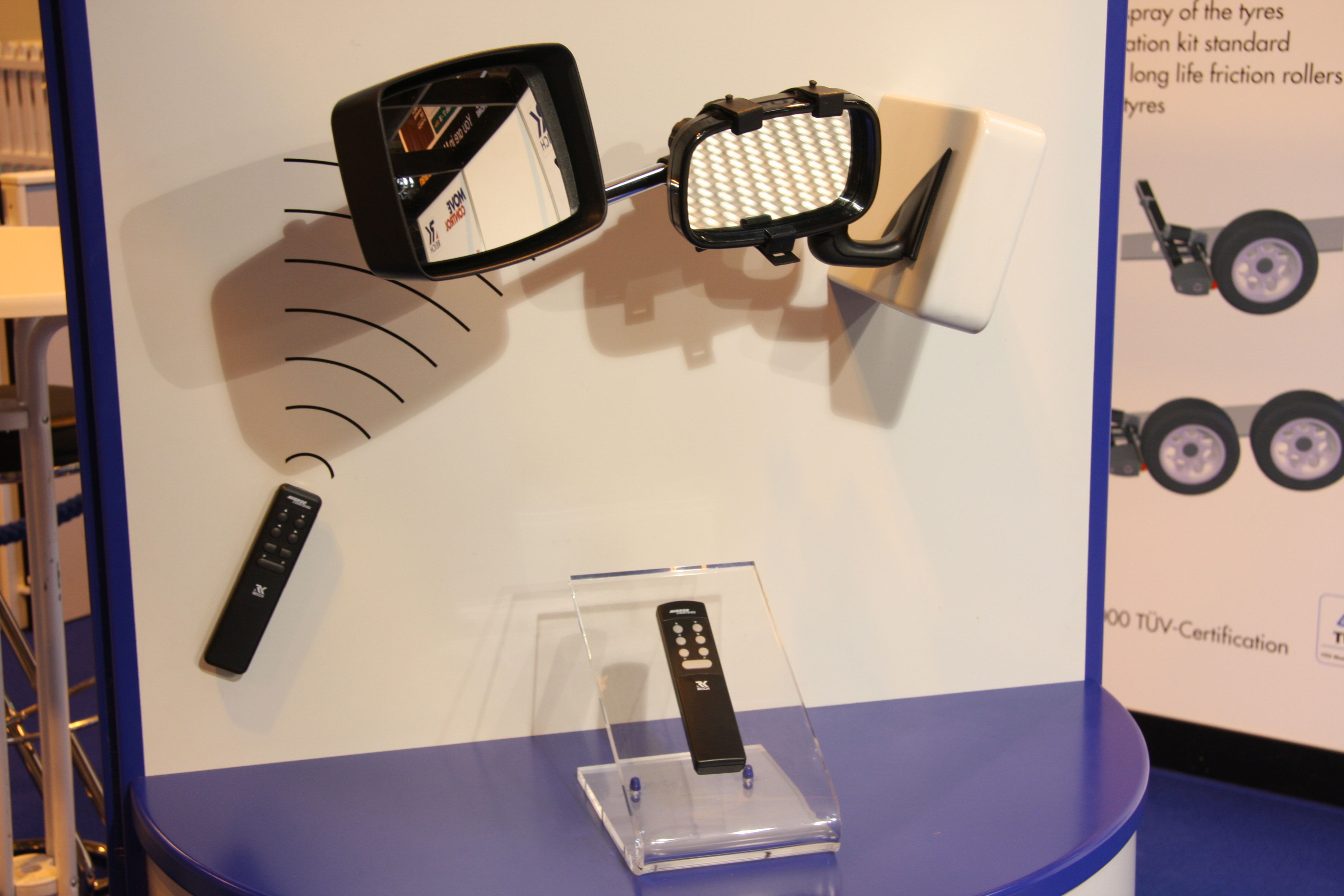
Electric/Remote-Adjustable Mirrors - High-end, powered options that can be adjusted from inside the car using a remote control. Ideal for solo travellers but often pricey. They are quite hard to come by now.
Glass Type: Convex or Flat?
Convex Glass - Offers a wide-angle view—great for awareness— BUT objects can appear closer than they really are.
Flat Glass - Gives a more accurate distance perception. This is why it’s often recommended to fit flat glass on the offside mirror, where judging approaching traffic is crucial.
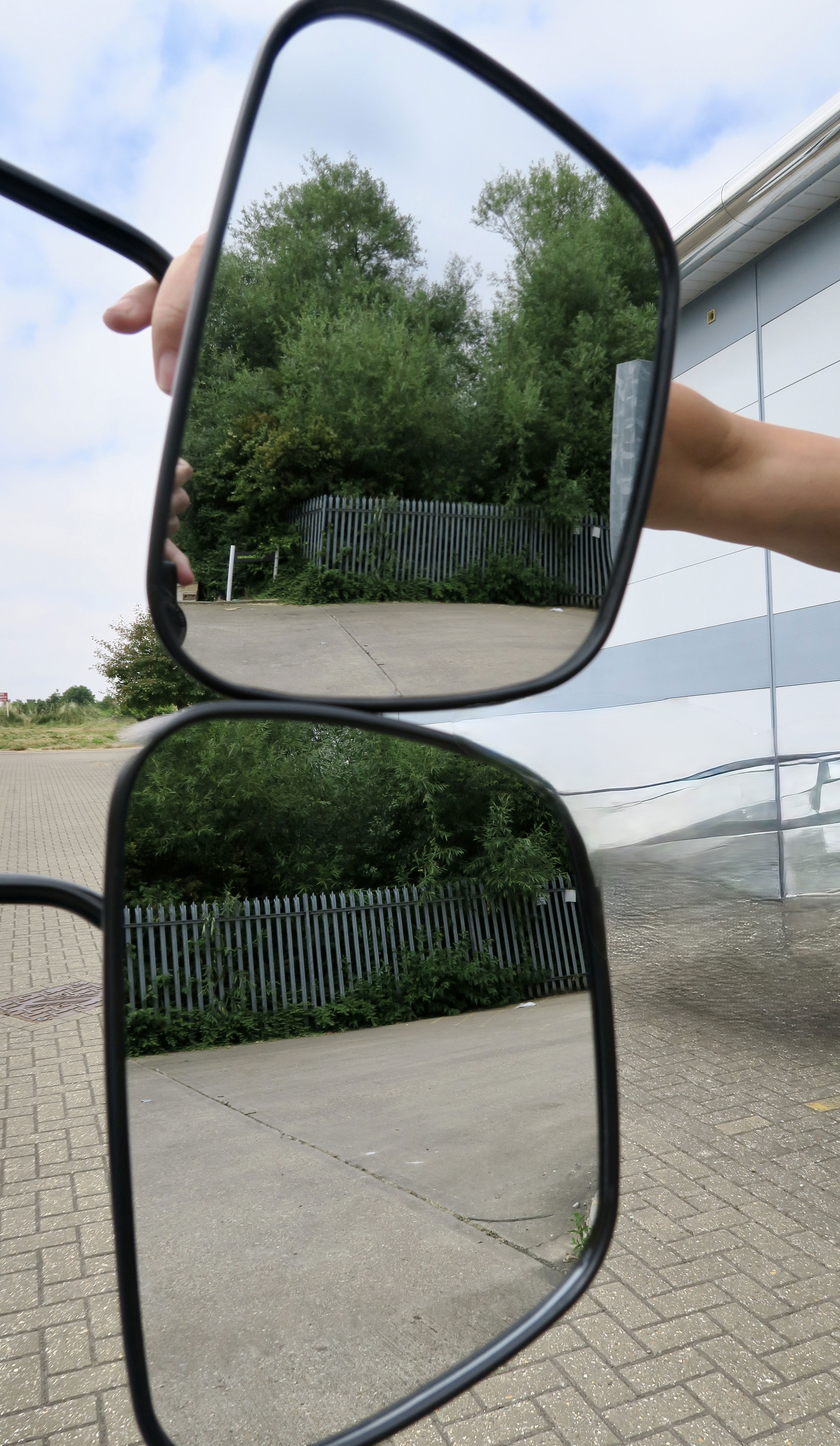
The top mirror is convex and the bottom mirror is flat
Fitting, Maintenance and Practical Tips
Adjustment The driver must be able to adjust the offside mirror from the driving seat.
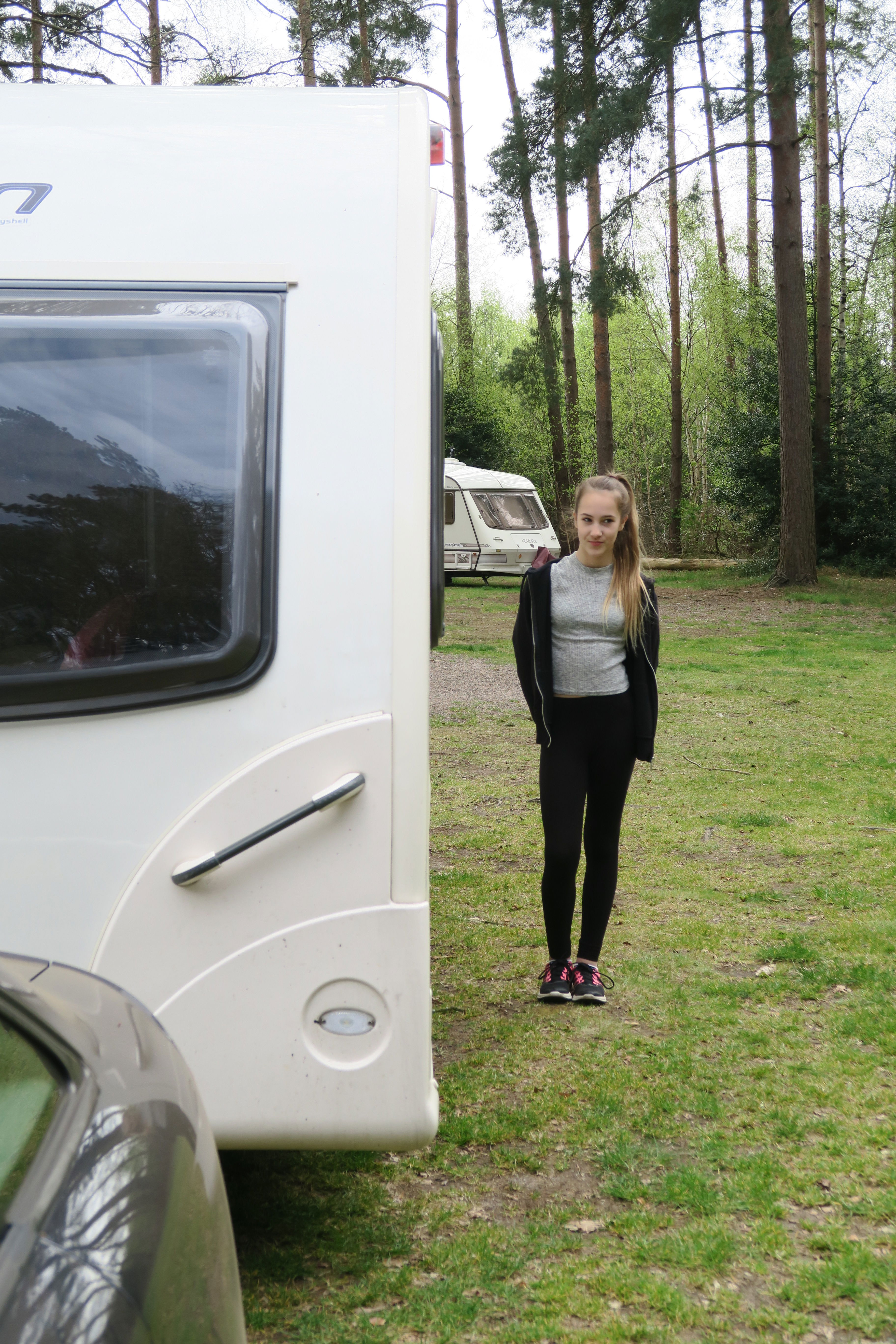
Ask someone to stand at the back of the caravan while you align them—it makes the process much easier.
Cleaning Road grime, bugs and winter salt can quickly cloud your view. Products such as Autoglym Fast Glass keep the lenses clear and smear-free.
Storage Invest in a padded mirror storage bag. This prevents scratches and protects the glass while travelling or storing between trips.
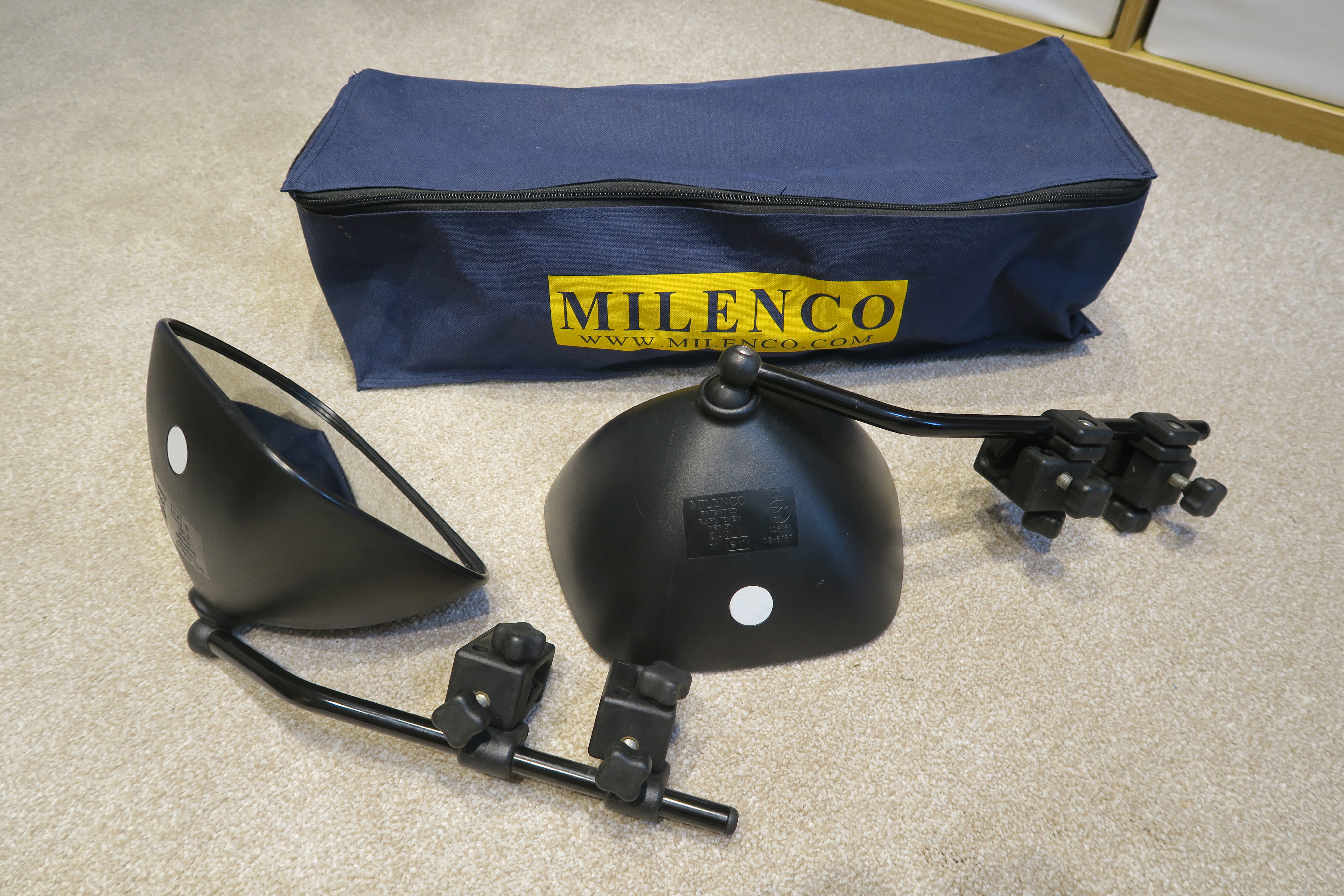
Security Towing mirrors are easy to remove and—annoyingly—easy to steal. On ferries or in service areas, it’s wise to take them off.
Final Thoughts
Good visibility isn’t just a legal requirement—it’s one of the most important safety fundamentals of towing. The right set of towing mirrors will improve your confidence, help you stay aware of your surroundings, and ensure you’re fully compliant with the law. Whether you’re new to caravanning or a long-standing tourer, reviewing your mirror setup is one of the simplest ways to make every journey safer and more enjoyable.
For more practical advice, subscribe to my YouTube video channel @TravelTouringandTrips