Propane or Butane? Selecting the Best Gas for Winter Touring
For anyone touring in a caravan, motorhome or campervan, Liquefied Petroleum Gas (LPG) is a core utility. It powers your heating, cooking and often your refrigeration. The two most common LPG options are butane and propane, and while they are similar in many respects, their performance diverges sharply once temperatures begin to drop. Understanding these differences is essential when planning a winter trip.
Butane: Best Suited to Milder Conditions
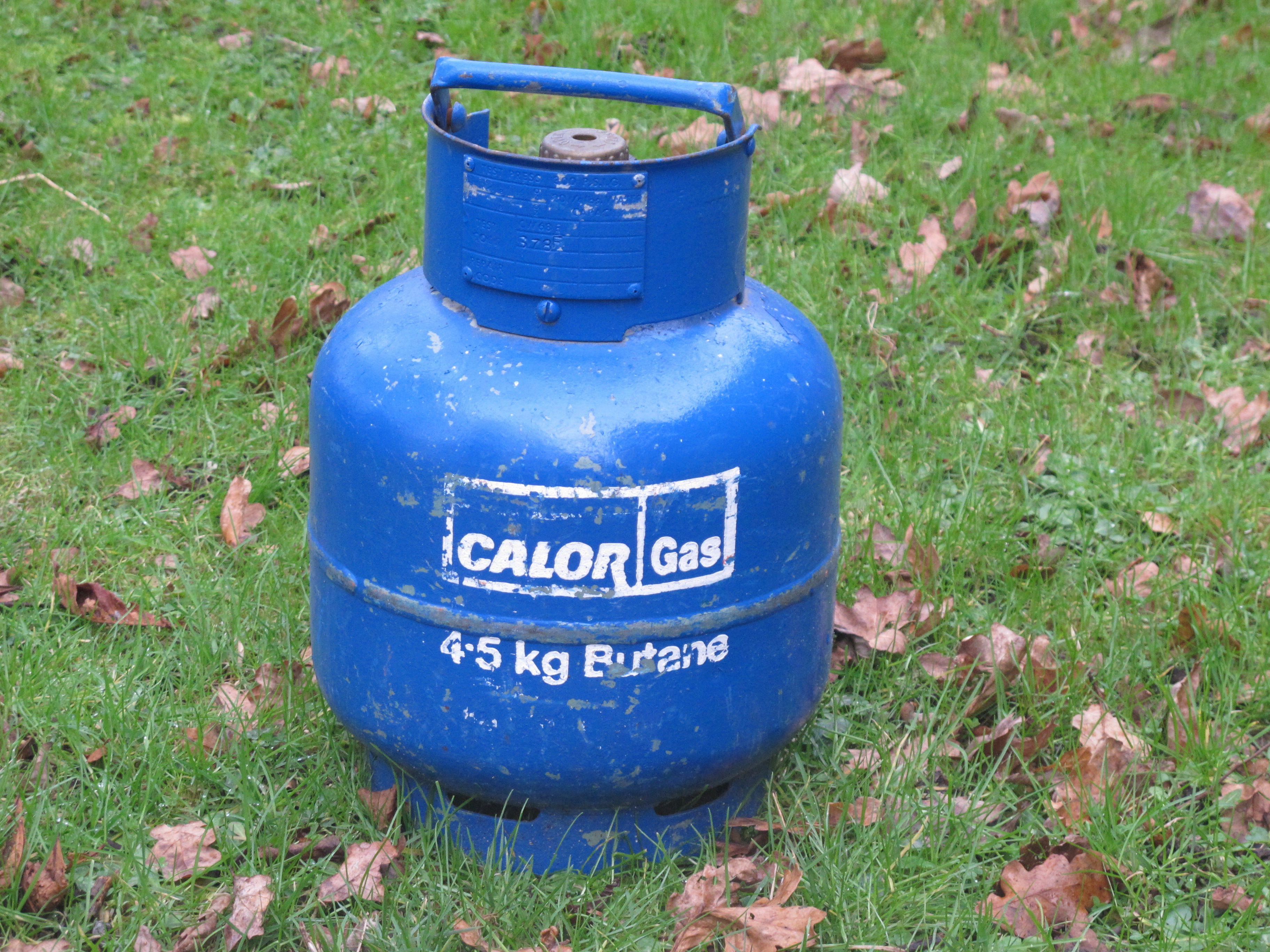
Usually supplied in blue cylinders in the UK and widely available across Europe, butane performs well in warmer weather.
• Higher efficiency: Butane has a slightly higher calorific value than propane, allowing it to burn more slowly and deliver efficient heat output.
• Heavier gas: In its liquefied form, butane is heavier than propane.But despite these advantages, butane struggles as the temperature falls.
Propane: The Reliable Cold-Weather Performer
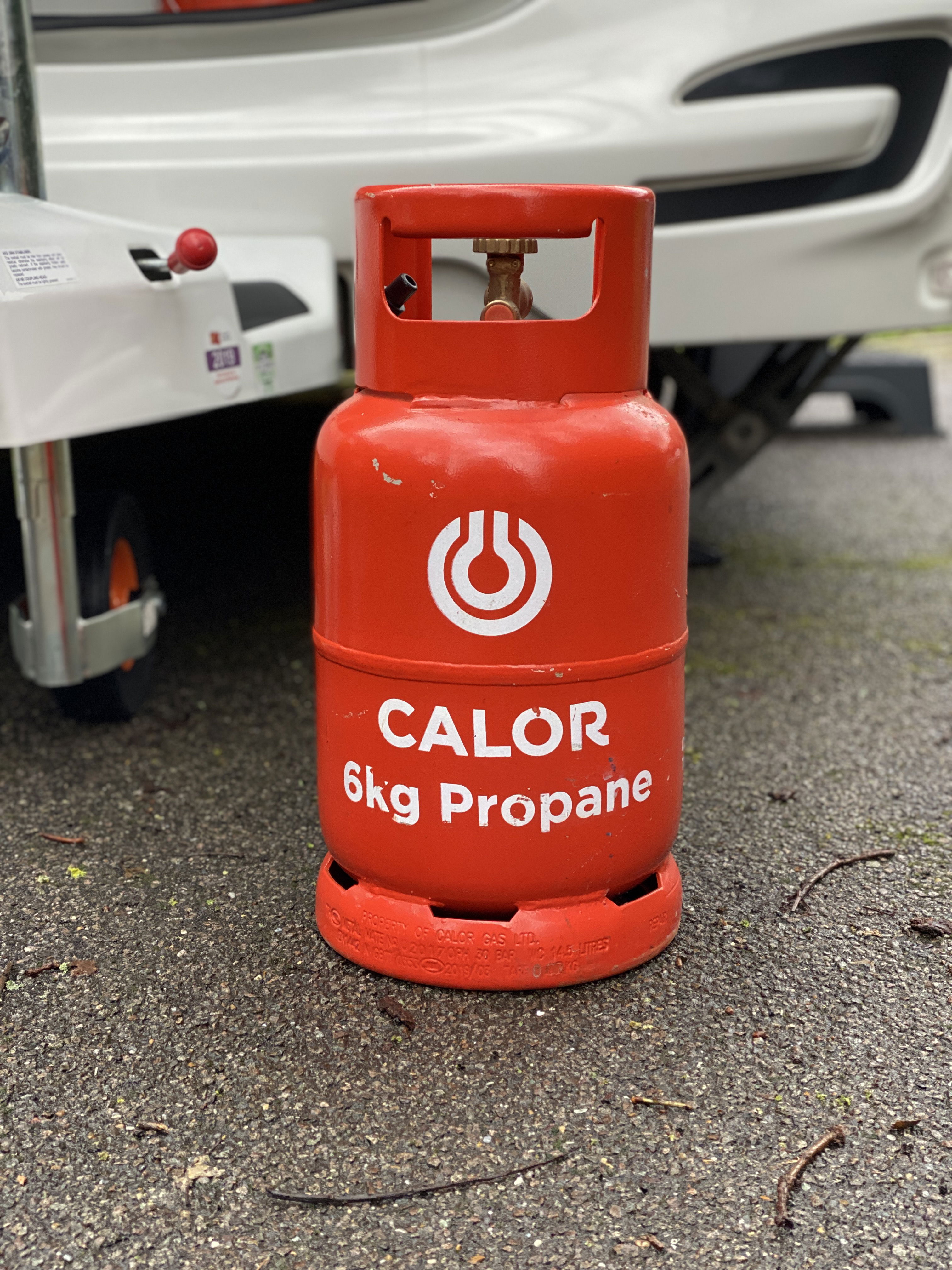
In Britain, propane is typically supplied in red cylinders and is known for its versatility across all seasons.
• Higher off-take rate: Propane cylinders can supply gas to multiple appliances at once, which is particularly helpful when powering high-demand equipment such as space heaters.
• Lighter liquid: Propane is lighter than butane when liquefied. Its real strength, however, lies in its resilience to freezing conditions.
Why Cold Weather Makes All the Difference
The critical factor when touring in winter is how easily the gas can vaporise from liquid to usable gas.
Butane’s limitations in low temperatures:
• Butane stops vaporising at around -2°C. Below this point, it remains in liquid form and cannot fuel your appliances.
• Even close to freezing, vaporisation slows dramatically, often leading owners to assume a cylinder is running out when, in fact, it has simply become too cold to function effectively. This makes butane unsuitable for winter touring or any trip where temperatures may slide towards freezing.
Propane’s advantage in winter:
• Propane continues to vaporise at temperatures down to approximately -45°C, maintaining reliable performance even in severe cold.
• For this reason, propane is the gas of choice for year-round touring and cold-climate travel.
In summary
Butane offers marginally greater efficiency in warm weather, but its poor cold-temperature performance limits its use for winter trips. Propane, on the other hand, remains dependable in sub-zero conditions and is the preferred option for winter touring.
Do bear in mind that while propane is widely available in the UK, portable propane cylinders can be harder to source in some parts of mainland Europe—so plan ahead if your travels take you further afield.